
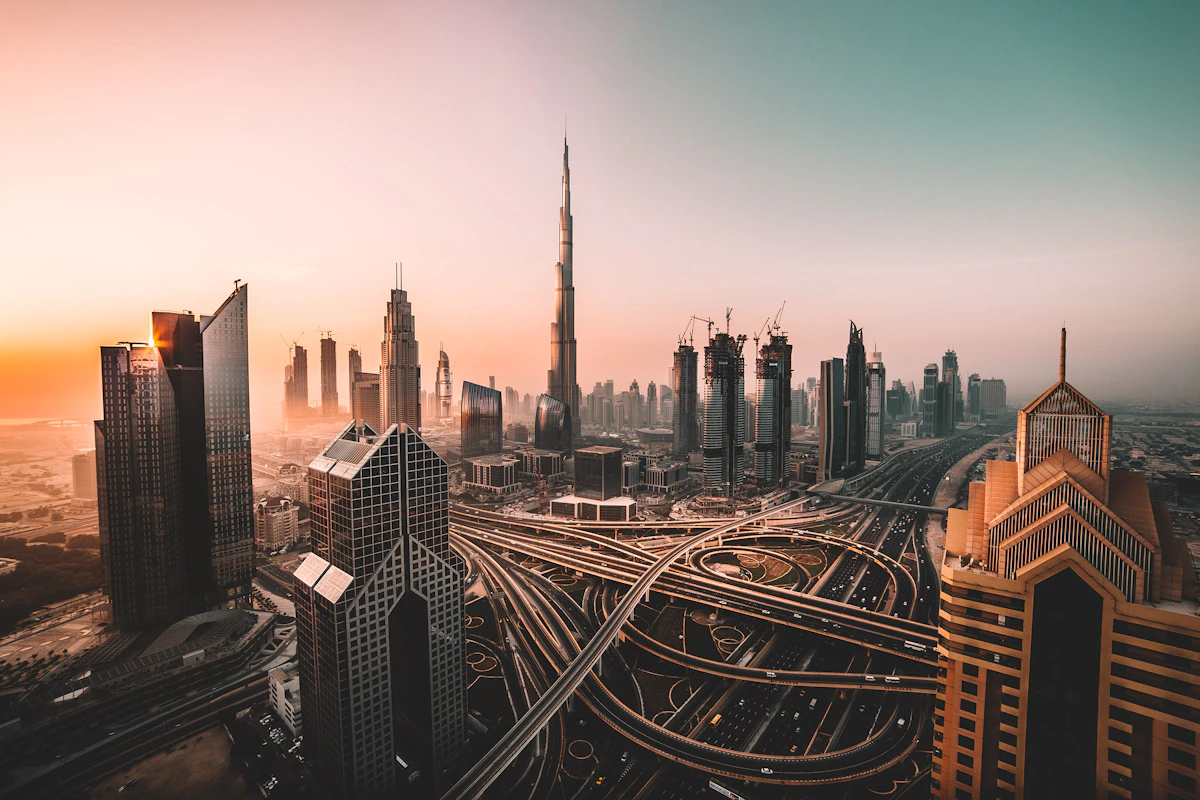
If you’ve driven through Dubai lately, you’ve likely noticed more than just the usual skyline changes. The Roads and Transport Authority (RTA) has been on a massive mission to overhaul the city’s circulation system. For the Malayali community—who are often the most mobile demographic in the UAE, moving between office hubs, school zones, and community gatherings—these changes are more than just “civil works”; they are a massive upgrade to our quality of life.
Here is an analysis of the key RTA projects for 2026 and what they mean for you.
1. The “Jumeirah-Al Wasl” Transformation
The RTA recently launched a major project involving Umm Suqeim Street, Al Wasl Road, and Jumeirah Street. This includes 11km of new bridges and tunnels designed to slash travel times by 50%.
- For the Family: If you live in areas like Al Barsha or Jumeirah and commute to schools or clinics in the coastal belt, the capacity increase from 8,000 to 12,000 vehicles per hour means fewer minutes stuck at signals and more time at the dinner table.
- The “Shortcut” Effect: New tunnels at intersections like Al Wasl and 2nd December Street mean smoother access to the traditional heart of the city, where many of our favorite Kerala-style eateries and cultural centers are located.
2. Al Shindagha Corridor: Connecting Deira and Bur Dubai
The ongoing Al Shindagha Corridor project is one of the largest in Dubai’s history. It’s developing 15 intersections over a 13km stretch, directly serving the historic hubs of Deira and Bur Dubai.
- Business Impact: For Malayali entrepreneurs in the trading districts of Naif or Al Ras, this corridor is a lifeline. Reduced congestion in these high-density areas means faster logistics and better access for customers.
- Weekend Ease: A new 1,425-meter bridge connecting Bur Dubai to the Dubai Islands will make weekend family outings much more accessible, bypassing the traditional bottlenecks of the older creek crossings.
3. Rapid Improvements in Residential “Malayali Hubs”
In early 2026, the RTA completed over 67 rapid traffic interventions. These aren’t just giant flyovers; they are smart fixes in the neighborhoods where we actually live:
- Al Warqa’a: Roundabouts have been converted into smart signalized intersections, improving peak-hour flow by 30%.
- International City & JVC: New entry and exit points are being finalized to double the capacity of these access routes, aiming to reduce travel time by up to 70%.
- School Zones: Targeted upgrades in areas like Al Qusais and Mizhar have added dedicated parking and traffic calming measures, making the “morning school run” significantly less stressful for parents.
4. The “Green” Shift: 735 New Electric Buses
It’s not all about cars. By the end of 2026, Dubai is rolling out a massive fleet of 735 electric buses.
- For the Commuter: With new high-capacity charging depots in Al Quoz and Jebel Ali, the reliability of feeder buses is set to skyrocket. This is excellent news for those who live in residential clusters and rely on the “Metro + Bus” combination to reach their workplaces.
5. Smart Tech & AI Enforcement
Dubai is increasingly using AI to monitor road infrastructure and adjust signal timings in real-time. For the driver, this means “Green Waves” that keep you moving rather than stopping at every block. However, it also means smarter enforcement—so keeping an eye on those speed limits and lane discipline is more important than ever!
The Bottom Line
The RTA’s 2024–2026 roadmap is focused on “Integrated Mobility.” For the Malayali community, these road changes represent a shrinking city—where the distance between your home in Al Nahda and your office in Business Bay, or your shop in International City and your supplier in Jebel Ali, feels shorter than ever.
As these projects reach completion, the “commute stress” that has long been a part of expat life is finally being paved over.
Follow MalluMetro.com for real-time traffic updates and more deep dives into how Dubai’s infrastructure is changing your life.

