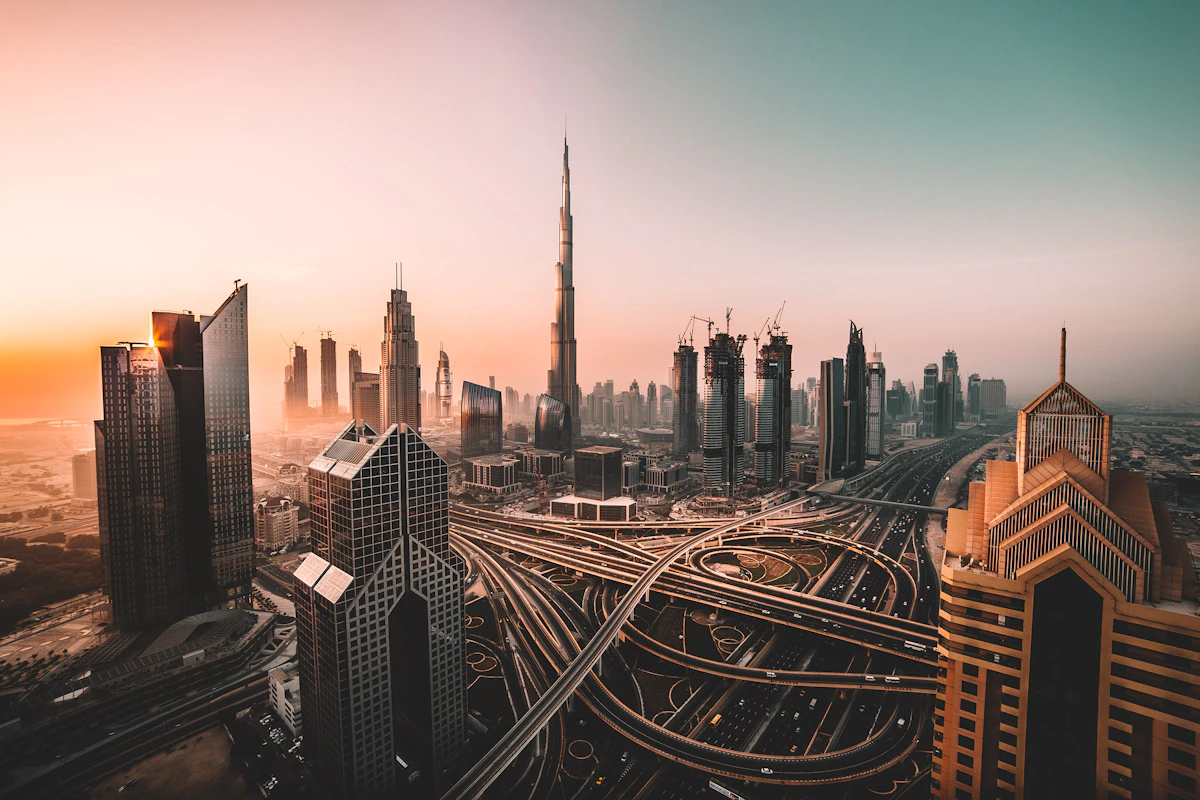
The skyline of Dubai is constantly shifting, but for the millions who call this city home, the most important changes often happen at ground level—or just above it. The official greenlight for the Dubai Metro Blue Line isn’t just a win for urban planners; it’s a massive development for the Kerala diaspora that forms the backbone of this city’s professional and entrepreneurial landscape.
Here is an analysis of how this expansion will reshape the lives, pockets, and daily routines of Malayalis in Dubai.
1. Bridging the “Commute Gap”
For years, many Malayali families and bachelors have settled in areas like Al Nahda, Qusais, and Muhaisnah because of their community feel and proximity to schools and Kerala-focused businesses. However, working in areas like Dubai Silicon Oasis or Academic City often meant a grueling daily battle with traffic on Sheikh Mohammed Bin Zayed Road (E311).
The Blue Line is a game-changer. By connecting the existing Red and Green lines through a 30km loop, it brings metro access directly to:
- International City
- Dubai Silicon Oasis
- Academic City
- Mirdif
For the Malayali professional, this means swapping an hour of stressful driving for 20 minutes of air-conditioned comfort—perfect for catching up on the latest news or a podcast.
2. Real Estate: New Investment Frontiers
Malayalis have always been savvy real estate investors in the UAE. Historically, the “Metro Effect” has seen property values and rents rise by 10-15% in areas within walking distance of a station.
As the Blue Line takes shape, we expect a shift in the rental market. Areas that were previously considered “remote” for those without a car will suddenly become prime locations. For families currently squeezed into older apartments in Deira or Karama, the expansion offers a chance to move into modern developments in Mirdif or Silicon Oasis without losing their connection to the city’s transit pulse.
3. A Boost for “Mallu-preneurs”
The Kerala community’s entrepreneurial spirit is legendary, particularly in the SME (Small and Medium Enterprise) sector. Every new Metro station is more than a transit stop; it’s a high-footfall economic zone.
We anticipate a surge in Malayali-owned businesses near new station hubs, including:
- Cafeterias & Restaurants: Bringing the taste of home to new residential clusters.
- Technical Services: As the user-base for maintenance and contracting grows in these newly connected areas.
- Grocery & Retail: Expanding the reach of familiar home-grown brands.
4. Social Mobility and Sustainability
For many in our community, the Metro is the ultimate equalizer. It allows visiting parents from Kerala the independence to travel the city without waiting for a lift. It allows students in Academic City to reach the cultural hubs of the city affordably.
Furthermore, as Dubai pushes its 2040 Urban Master Plan, the shift toward public transport aligns with a global move toward sustainability. The Malayali community—often early adopters of smart tech and efficient living—is perfectly positioned to lead this transition toward a “20-minute city” lifestyle.
The Bottom Line
The Dubai Metro expansion is more than a construction project; it is the “Golden Thread” that will tie our community’s residential hubs to the city’s future economic centers. At MalluMetro.com, we see this as a period of immense opportunity. Whether you are a daily commuter, a business owner, or a property seeker, the tracks are being laid for your next big move.
The future is coming on a silver-and-blue train. Are you ready to hop on?
Stay tuned to MalluMetro.com for more updates on UAE infrastructure and how it impacts your life.